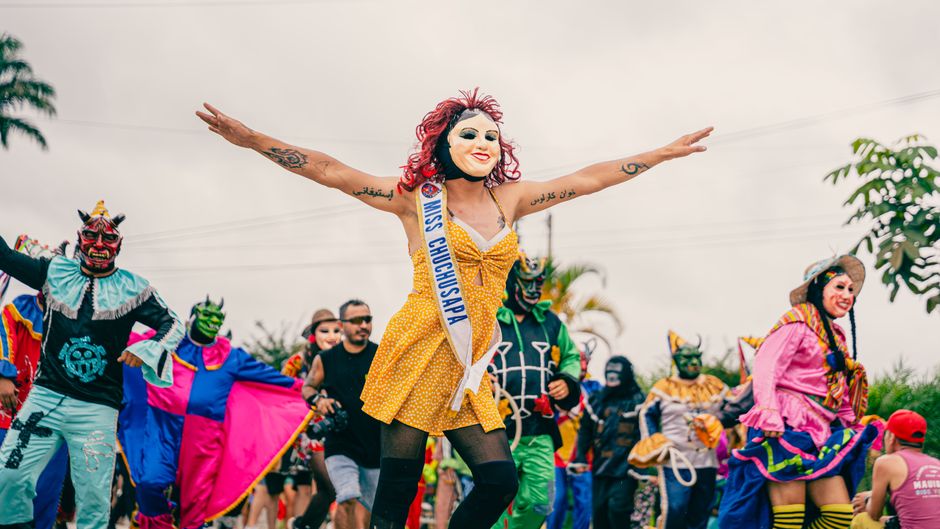
The sun was out and so were the flags, vibrant and unapologetically unfurling along Eastern Parkway this past weekend. Brooklyn’s West Indian American Day Parade, a kaleidoscope of culture, music, and color, drew its usual bustling crowd. Yet, there was a noticeable quietness, a gap that many long-time attendees couldn’t help but feel. As the steel bands played and parade-goers danced, the absence of a significant Haitian contingent cast a shadow, making the celebration feel somewhat incomplete.
Haitian culture is a cornerstone of the West Indian diaspora, its rhythms and revelry essential to the fabric of the parade. From Kompa music to the energetic Rara bands, Haitian contributions have always been a heartbeat of this annual celebration. However, this year, a climate of immigration crackdowns has left many Haitian New Yorkers feeling vulnerable and reluctant to participate. The fear of ICE raids and deportations has carved out a space of absence, one that echoes louder than the most booming bass drum.
This specter of silence is not just a momentary hush—it is a symptom of a broader issue affecting not only the parade but the entire Haitian community in New York. The recent policy shifts and increased immigration enforcement have not gone unnoticed. Across New York, Haitian families are grappling with uncertainties about their future, their right to remain in the homes they have known for decades threatened by an administration bent on tightening its borders.
The parade serves as a vivid, public reminder of the resilience and persistence of the West Indian community. Yet, how can one celebrate fully when a vital part of the community fears being torn apart? The absence of Haitian representation at the parade is a ceremonial silence, a poignant reminder of the socio-political tides affecting this vibrant community. The lack of Haitian participants is not just a cultural loss; it signifies a community grappling with survival in the face of systemic adversity.
As the parade floated past the Brooklyn Museum and towards the Grand Army Plaza, one could not help but reminisce about the Haitian bands that often led with their exuberant flair and infectious energy. Their lively presence would have been a testament to the enduring spirit of the Haitian people, a culture that has survived revolutions, natural disasters, and, now, political ostracism.
In the coming weeks, as autumn takes hold and election cycles ramp up, the voices of the marginalized should not just be acknowledged but amplified. Community leaders and policymakers need to step up and ensure that events like the West Indian American Day Parade don’t just become spectacles of past glories but platforms for current issues. This year’s parade should serve as a wake-up call to the broader community—a reminder that their neighbors, friends, and family are confronting challenges that demand solidarity and support.
For the art world, this absence is a call to action, a prompt to create inclusive platforms and dialogues that engage with these very issues. Artists in New York have long been on the frontlines, using their work to challenge and provoke discussions around immigration and identity. The galleries and studios that dot the city are in a unique position to highlight these narratives, to ensure that the silenced voices find expression.
As we head deeper into September, let’s hope for a future where parades and public gatherings do not signal who is missing but instead celebrate who is present. Let’s aim for a future where every cultural voice can be as loud and proud as it desires to be, without fear of reprisal or deportation. The spirit of the West Indian American Day Parade should be one of inclusion, a reminder of the diverse tapestries that make New York the city it is.
In the interim, as the fall leaves begin to crunch underfoot and the air turns crisp, let’s remember the Haitian families who watched from the sidelines this year. Their absence was deafening, their silence a call to reflection and action. May next year’s parade be filled with the joyous sounds of Kompa and Rara once more, bridging the gaps and healing the fractures that are all too evident today.
— Lila Quinn · Columnist
Frequently Asked Questions
Why was the Haitian community absent from Brooklyn’s 2024 West Indian American Day Parade?
The Haitian community was absent due to fears of ICE raids and increased immigration enforcement targeting Haitian New Yorkers.
What impact did the absence of Haitians have on the 2024 West Indian American Day Parade?
The absence created a noticeable gap in the festivities, making the celebration feel incomplete and highlighting the cultural loss.
How has Haitian culture historically contributed to Brooklyn’s West Indian American Day Parade?
Haitian culture, including Kompa and Rara music, has historically been central to the parade’s festivities and is considered a cornerstone of the event.
What are the broader implications of increased immigration enforcement on the Haitian community in New York?
Increased immigration enforcement has caused uncertainty and fear among Haitian families, threatening their ability to participate in public events and their right to remain in New York.
Which landmarks did the 2024 West Indian American Day Parade route include?
The parade route included landmarks such as the Brooklyn Museum and Grand Army Plaza.

Leave a Comment