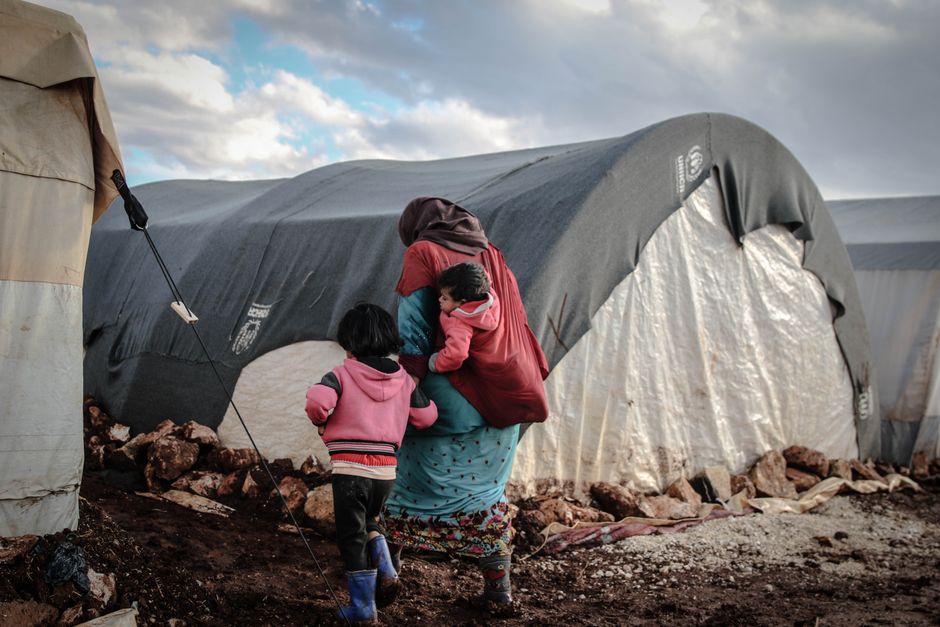
Enayet Khan was driven from his home in Myanmar in 2017. For three days, he and his family moved through forests and fields, slipping from village to village as fires closed in behind them. Each stop offered only temporary safety; by morning, the next village was burning too. His own house had already been reduced to ash, and there was no time to mourn it. Armed soldiers advanced quickly, and Khan watched people being shot in front of him. Ten relatives fled together, and three were injured along the way before the family crossed into Bangladesh.
“I lost everything,” Khan told Hyperallergic in a phone call. “Home, documentation, property, a sense of security.”
He settled in Cox’s Bazar, Bangladesh, which Hyperallergic reports is now home to nearly one million Rohingya refugees. The Rohingya have endured decades of discrimination and repression under Myanmar’s successive governments. Stripped of citizenship by a 1982 law, they remain one of the largest stateless groups in the world. Most fled in 2017 to escape what the outlet describes as crimes against humanity and genocide by the military.
In the camps, Khan turned to painting and drawing to process what he had seen: burning homes, fleeing families, executions. Over time he began training other refugees to do the same, founding the Rohingya Art Club and encouraging visual storytelling as both expression and resistance.
Khan is one of many refugees using art to record experiences of conflict and violence. According to legal experts cited by Hyperallergic, such work can also play a role in accountability efforts, helping to convey testimony, corroborate survivor accounts, and even enter legal proceedings as evidence of mass atrocities.
The backdrop is a growing demand for justice. Hyperallergic cites a record 117.8 million people forcibly displaced worldwide, a figure that has risen for 12 consecutive years. Investigations and prosecutions of genocide, crimes against humanity, and war crimes have surged within the European Union, with new cases up 44 percent between 2016 and 2021. The International Criminal Court itself has called the rise in demand “unprecedented,” per the report.
For some legal advocates, art has become one way to meet it. Antonia Mulvey, executive director of Legal Action Worldwide and a former United Nations investigator, collected artwork as part of the evidence in a case before the International Court of Justice that charged the Myanmar military with genocide against Rohingya communities in 2017. She noted that the high illiteracy rate among Rohingya people, especially women and children, makes traditional written statements difficult to obtain. In those contexts, drawings became a vital way to convey testimony.
For a city that has long been a refuge for the displaced and home to the United Nations, the story is a reminder that testimony does not always arrive in the form courts expect. Sometimes it arrives on paper, in ink and paint, drawn by someone who walked out of a burning village.
Frequently Asked Questions
Why are Rohingya refugees making drawings and paintings?
Many Rohingya refugees, including Enayet Khan, use drawings and paintings to process the violence they witnessed, such as burning homes, fleeing families, and executions. The artwork can also serve as testimony and evidence of mass atrocities.
How is Rohingya artwork being used in court?
Antonia Mulvey of Legal Action Worldwide collected Rohingya artwork as evidence in the International Court of Justice genocide case against Myanmar’s military, since high illiteracy rates made written statements difficult to obtain.
Who is Enayet Khan and what is the Rohingya Art Club?
Enayet Khan is a Rohingya refugee who was driven from his home in Myanmar in 2017 and settled in Cox’s Bazar, Bangladesh. He founded the Rohingya Art Club, training other refugees in visual storytelling as both expression and resistance.
Why did the Rohingya flee Myanmar in 2017?
Most Rohingya fled in 2017 to escape what the article describes as crimes against humanity and genocide committed by Myanmar’s military. A 1982 law had already stripped them of citizenship, leaving them one of the largest stateless groups in the world.
How many Rohingya refugees live in Cox’s Bazar, Bangladesh?
According to the article, Cox’s Bazar, Bangladesh is home to nearly one million Rohingya refugees. Global forced displacement has reached a record 117.8 million people, rising for 12 consecutive years.

Leave a Comment