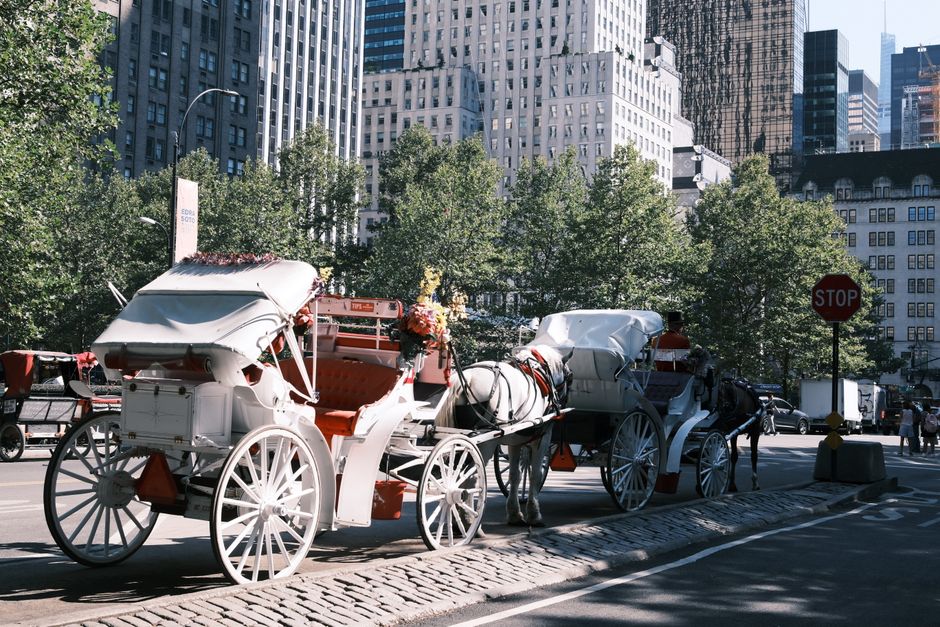
After more than a century of argument, the horse-drawn carriages that line Central Park South have a sunset date. The New York City Council voted on Thursday to end carriage rides in the park by June 2028, passing the bill 40 to 7, a veto-proof margin, according to 6sqft.
The outcome was expected. The legislation was drafted with the cooperation of Mayor Zohran Mamdani’s office, and Sneha Choudhary, a spokesperson for the mayor, told the New York Times: “The mayor will sign this bill, and the Mamdani administration is working every day to ensure we can do so while providing the strongest possible protections for the owners and workers in this industry.”
The question of whether horses belong on city streets has divided animal rights activists and the labor unions representing the trade’s drivers and owners for generations. It returned to the spotlight this summer, when a visiting teenager died after being thrown from a carriage in June, per 6sqft’s reporting.
For advocates, Thursday’s vote was a long-sought win. New Yorkers for Clean, Livable and Safe Streets, which has opposed the carriages for years, called the measure a “long-overdue ban on cruel and dangerous horse-drawn carriages.” A previous version of the bill, known as Ryder’s Law, was introduced in 2022 and sponsored by Council Member Christopher Marte. It was named for a horse that collapsed in Hell’s Kitchen and was later euthanized. After that incident, the Animal Legal Defense Fund showed that 71 percent of city residents supported banning carriage rides.
The Central Park Conservancy also backed passage ahead of a council hearing on the bill in June, citing eight horse-related incidents in the park over the preceding 13 months.
The trade has not gone quietly. Transport Workers Union Local 100, which represents the carriage operators, argues that the law offers no protection for workers. According to 6sqft, the industry includes 150 active, licensed drivers who hold 68 medallions for horse-drawn carriages. On Wednesday, lawyers for the union sent a letter to city officials saying they would challenge the legislation in court if the council passed it. With the vote now taken, that threat is likely to be tested.
City Council Speaker Julie Menin addressed the transition on Wednesday, saying the 2028 effective date gives city officials enough time to help anyone employed in the industry find new work. She said she would work with the Mamdani administration toward that goal.
The bill’s passage puts a deadline on one of the city’s most recognizable, and most disputed, tourist traditions. What happens in the nearly two years before it takes effect, including any court fight and the details of support for drivers, remains to be seen.
Frequently Asked Questions
When will horse-drawn carriage rides end in Central Park?
The New York City Council voted to end horse-drawn carriage rides in Central Park by June 2028. The bill passed 40-7, a veto-proof margin.
Who sponsored the Central Park carriage ban bill?
The bill was introduced in 2022 as Ryder’s Law and sponsored by Council Member Christopher Marte. It was named after a horse that collapsed in Hell’s Kitchen and was later euthanized.
Will Mayor Mamdani sign the carriage ride ban?
Yes, the mayor’s spokesperson Sneha Choudhary said the mayor will sign the bill. The legislation was drafted with the cooperation of the mayor’s office.
Why are people opposing the end of Central Park carriage rides?
Transport Workers Union Local 100, which represents carriage operators, argues the law offers no protection for workers and has threatened to challenge it in court. The industry includes 150 active licensed drivers who hold 68 medallions.
Why did the City Council ban Central Park carriage rides?
Supporters cited safety concerns, including a visiting teenager who died in June after being thrown from a carriage and eight horse-related incidents in the park over 13 months reported by the Central Park Conservancy. Animal welfare groups also pushed for the ban, and the Animal Legal Defense Fund found 71 percent of city residents supported it.

Leave a Comment